
Ucl quarter finals preview 2026
Eight clubs. Four ties. One trophy on the line in Budapest. The 2025/26 Champions League quarter-finals arrive this week with a lineup that reads like a dream draw, four matchups that cover old scores, historic rivalries, tactical chess matches and genuine title contenders. The first legs kick off on Tuesday 7 April, and by the time the second legs conclude on 15 April, we will know who is heading to the semi-finals. Here is everything you need to know about each tie.
PSG vs Liverpool: Revenge on the Table
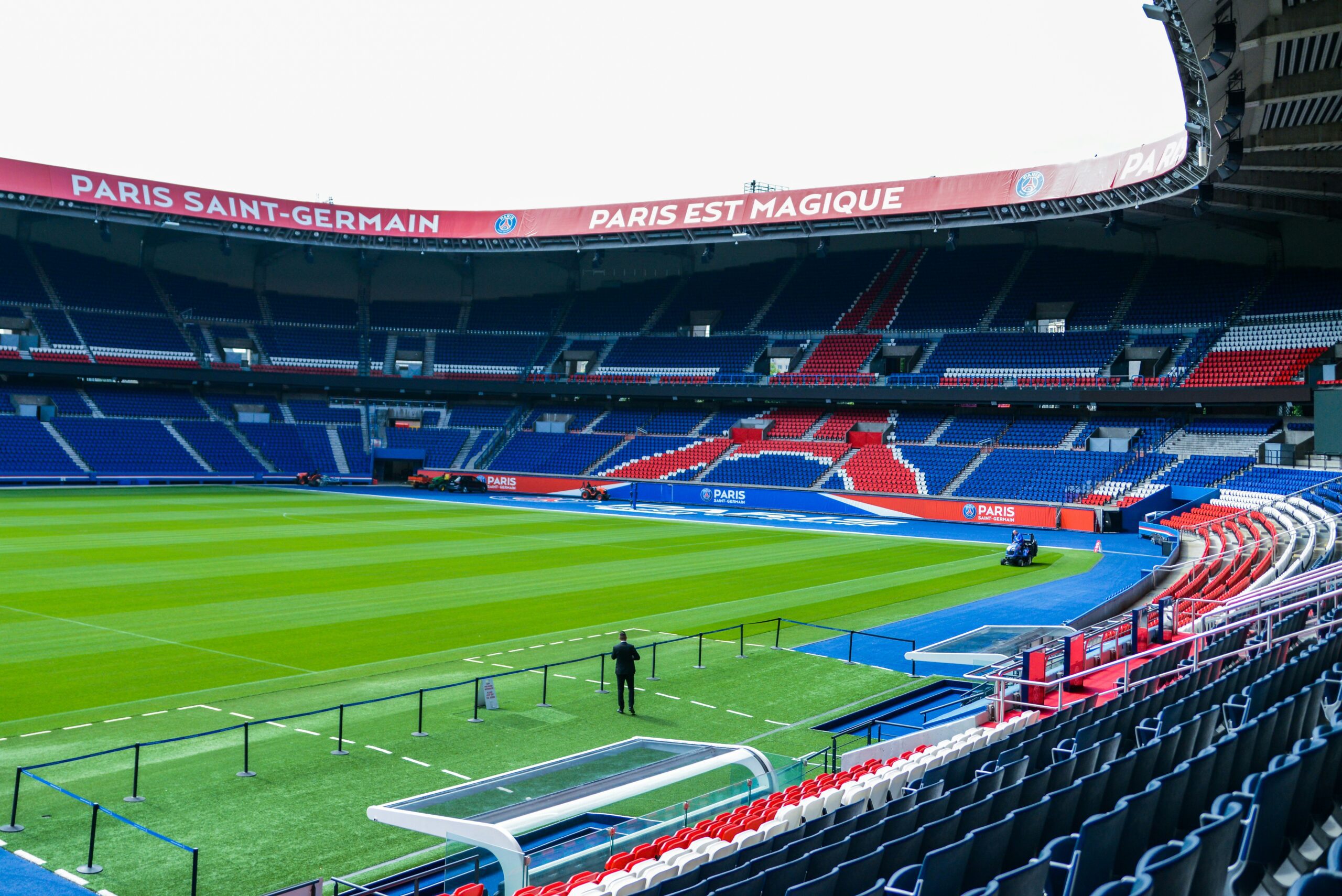
This is the tie with the clearest emotional undercurrent. Twelve months ago, Paris Saint-Germain knocked Liverpool out at the round of 16 stage in a penalty shootout at Anfield. PSG went on to win the whole competition, lifting the trophy for the first time in their history. Now the two sides meet again, this time a round deeper, and Arne Slot’s Liverpool will arrive at the Parc des Princes on 8 April with something to prove.
PSG enter as defending champions and as the most decorated squad left in the competition. Luis Enrique has built a team with enormous depth in attack, with Khvicha Kvaratskhelia, Bradley Barcola and Ousmane Dembele all rotating through a front line that has been devastating in the knockout rounds. Kvaratskhelia in particular has been in outstanding form, scoring four goals across his last three Champions League knockout matches. In midfield, Vitinha remains one of the best pivots in Europe, acting as the press-breaking fulcrum around which PSG’s entire structure is built. The way they dismantled Chelsea 8-2 on aggregate in the round of 16 was ruthless, even if some of it was built on extraordinary individual finishing.
Liverpool, for their part, have not been at their smoothest this season, but they showed exactly what they are capable of when they demolished Galatasaray 4-0 in the second leg of their round of 16 tie to advance 4-1 on aggregate. Goals from Hugo Ekitike, Ryan Gravenberch and Mohamed Salah in a devastating 12-minute burst underlined that when this Liverpool side clicks, they can be as good as anyone left in the competition. Salah himself became the first African player to reach 50 Champions League goals during that tie, a milestone that reflects just how significant his contribution to this club has been in Europe. Florian Wirtz, who joined in the summer, adds a creative dimension that Liverpool have not always had in recent seasons, and Dominik Szoboszlai has scored in five of his last eight Champions League appearances.
The key tactical battleground will be how Liverpool manage PSG’s full-backs. Achraf Hakimi and Nuno Mendes are two of the best attacking full-backs in the world, and Luis Enrique’s system relies heavily on their ability to stretch play and create overloads wide. If Liverpool can pin them back with their own high press, Slot’s side will have a real chance. If they cannot, and if PSG’s attackers find the space they found against Chelsea, this tie could be decided in the first leg. The return at Anfield on 14 April offers Liverpool a second chance, and the Anfield atmosphere in knockout football has a habit of changing games. This is the tie of the round.
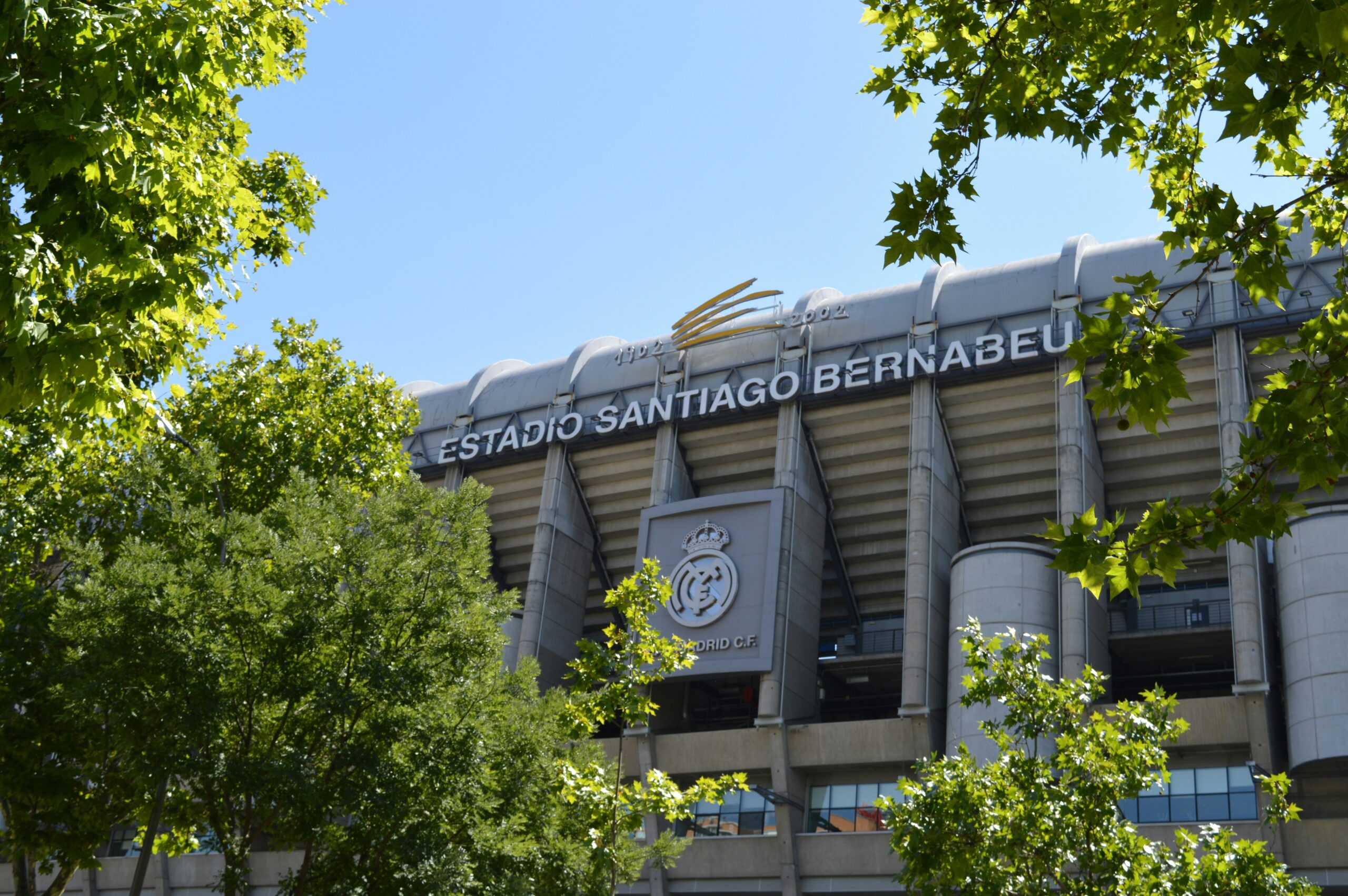
Real Madrid vs Bayern Munich: The European Clasico Returns
No fixture in the history of the European Cup and Champions League has been played more often than this one. Real Madrid and Bayern Munich have met 28 times in European competition, with the head-to-head record now level at 12 wins apiece. When these two clubs collide in the knockout stages, history almost always delivers something memorable, and there is no reason to expect anything different this time.
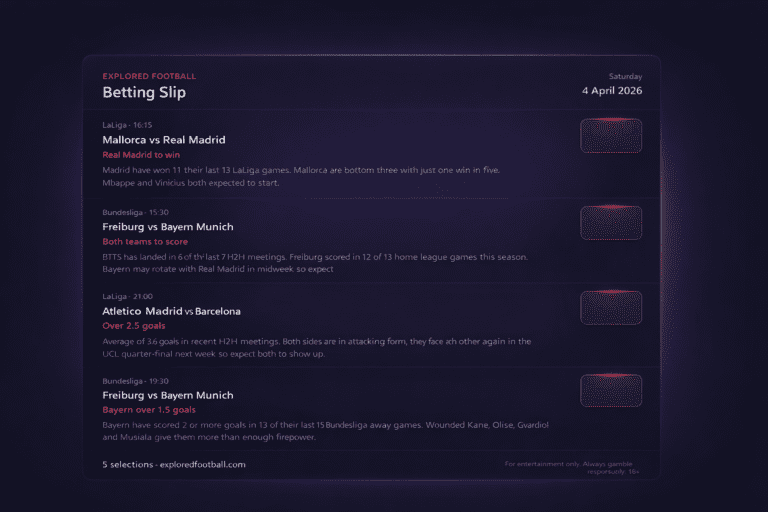
Real Madrid arrive at this tie in classic fashion: inconsistent in the league, relying on injured players returning at exactly the right moment, and somehow producing moments of individual genius when the stakes are highest. Federico Valverde’s hat-trick against Manchester City in the round of 16 first leg was as stunning a performance as any player has produced in Europe this season. Vinicius Junior scored twice at the Etihad to seal progress, and now both Kylian Mbappe and Jude Bellingham, who missed much of the season through injury, are reportedly fit and available for the quarter-finals. When Real Madrid are at full strength in the Bernabeu in European football, they are an extraordinarily difficult side to beat.
Bayern, though, come into this tie on the back of arguably the most dominant round of 16 performance of any team this season. They beat Atalanta 10-2 on aggregate, winning 6-1 away before completing the job 4-1 at home, and Harry Kane delivered one of the great individual displays, scoring his 49th and 50th Champions League goals across the two legs. Kane has now scored 47 goals in 39 appearances in all competitions this season, a return that places him clearly among the best strikers on the planet. Vincent Kompany has also welcomed back Joshua Kimmich and Michael Olise from suspension for this tie, strengthening a squad that already looked the most complete in the competition. Jamal Musiala, who has been carrying an ankle issue, is targeting a return for the first leg.
The tactical question at the Bernabeu on 7 April is whether Bayern’s high line and aggressive counter-press can contain the individual quality of Madrid’s forwards. Konrad Laimer has been identified as the man tasked with managing Vinicius, and former Bundesliga defender Maik Franz has suggested that approach is exactly right. But Real Madrid’s Bernabeu has a habit of producing moments that tactical blueprints cannot account for, and with Mbappe potentially back in the lineup, Bayern’s defence will need to be at its very best. The second leg at the Allianz Arena on 15 April gives Bayern the home advantage at the crucial moment. This is the pick of the first legs on paper, and the tie most likely to produce the final’s best candidate from the top half of the draw.
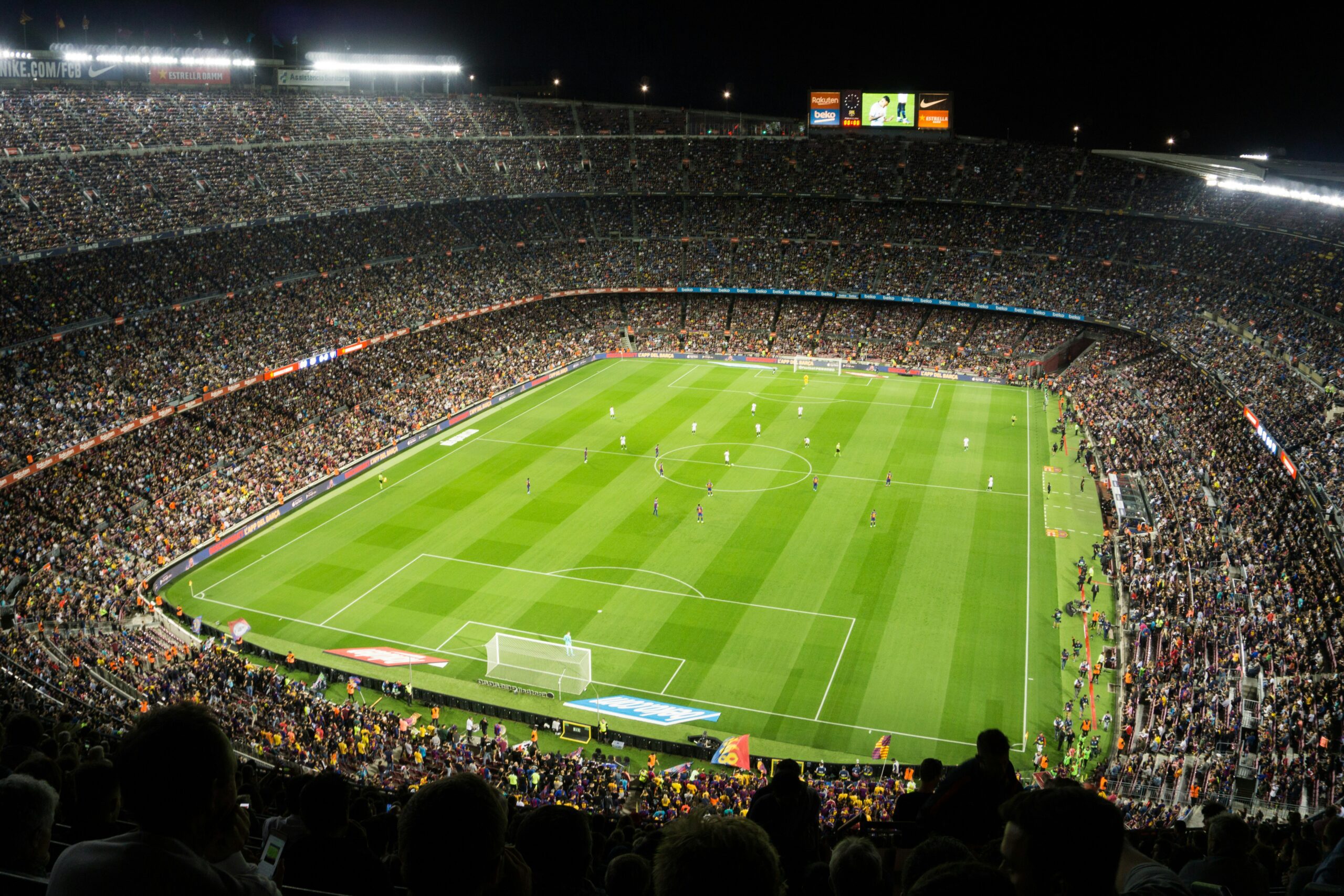
Barcelona vs Atletico Madrid: Spain’s Most Chaotic Fixture
If the PSG-Liverpool tie carries the emotional weight of revenge, and the Real Madrid-Bayern match carries the weight of history, then Barcelona versus Atletico Madrid carries something altogether more unpredictable: the weight of the present. These two clubs have played five times in the past 13 months across La Liga and cup competition, with scorelines reading 4-4, 4-2, 3-1, 4-0 and 3-0 across those fixtures. The combination of Barcelona’s high defensive line, aggressive pressing and clinical attacking play against Atletico’s lethal counter-attacking instincts and the individual brilliance of Julian Alvarez has produced some of the most watchable football in Europe this season.
Barcelona head into the first leg at Camp Nou on 8 April as clear favourites, and the statistics support that assessment. Hansi Flick’s side have outscored their last seven opponents 24-6 in all competitions, and players like Raphinha and Pedri are returning to their best form after injury problems earlier in the campaign. Robert Lewandowski continues to score at a remarkable rate, and Gavi has returned to the pitch after a lengthy absence. The fullback pairing of Jules Kounde and Alejandro Balde should also be close to fitness, giving Flick close to a full squad to choose from at the most important moment of the season. Their round of 16 performance against Newcastle, where they fell 3-3 after the first leg before winning the second 7-2, showed both the fragility and the devastating attacking potential of this team.
Atletico, however, are not simply here to make up the numbers. Diego Simeone’s side knocked out Tottenham in the round of 16, and Julian Alvarez has found his best form again after a mid-season dip, now carrying 14 Champions League goals in his last 17 appearances. The Argentinian is capable of winning a tie on his own. The complication for Atletico is defensive: this is not the same wall-like Simeone defence that frustrated Europe’s best clubs for a decade. They conceded 3-2 in the second leg against Tottenham, a Spurs side in poor domestic form. Against Barcelona’s attack, they will need to be considerably better than that. Atletico’s Copa del Rey semi-final victory over Barcelona at the Metropolitano earlier this season, however, is a reminder that Simeone knows exactly how to neutralise Flick’s system when his side are properly organised. This tie will hinge on which version of Atletico shows up.
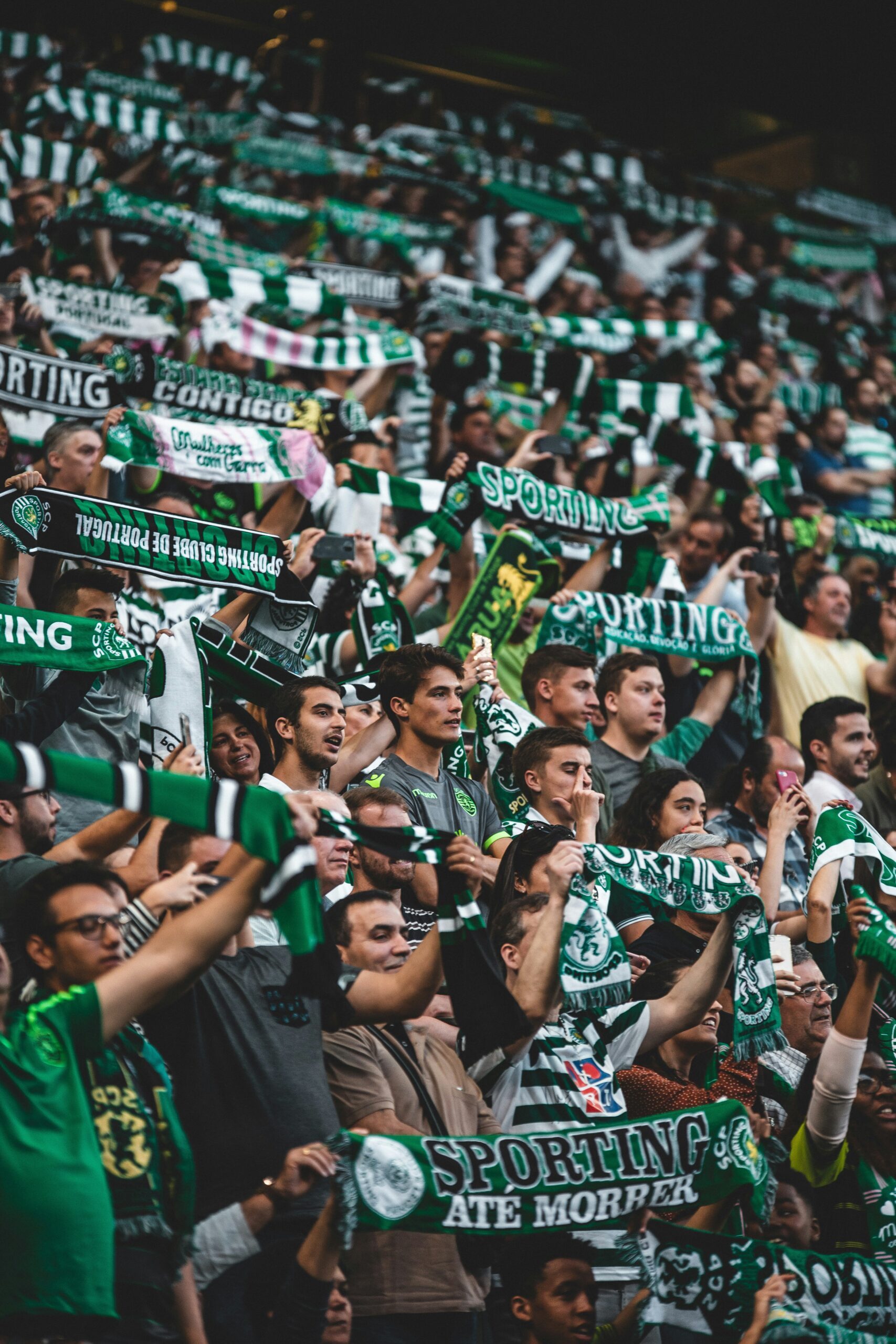
Sporting CP vs Arsenal: The Quiet Danger of Lisbon
On paper, Arsenal are the favourites to progress, and many observers consider them the most likely finalist in the entire draw. Arsenal led the Champions League league phase with a perfect record, a 100% winning run that no team had ever achieved in the competition’s modern format. They followed it up with a controlled 3-1 aggregate victory over Bayer Leverkusen in the round of 16, winning 2-0 at the Emirates in the second leg in a game that was more comfortable than the scoreline suggests, goalkeeper Janis Blaswich making several outstanding saves to keep the deficit respectable. Mikel Arteta’s side have conceded just four goals across their entire European campaign, a defensive record that stands comparison with any team in the competition’s history.
Viktor Gyokeres, Arsenal’s summer signing, brings the cutting-edge forward threat that Arteta’s teams have sometimes lacked in Europe, while Bukayo Saka, Declan Rice and Martin Odegaard give them one of the best balanced squads remaining. Arsenal are also nine points clear in the Premier League and remain in the FA Cup, meaning this is a club that has a genuine chance of an extraordinary season.
Sporting, though, are not opponents to be dismissed. Rui Borges has built a side that can suffocate teams with relentless pressure or sit deep and absorb, depending on what the tie demands. Their round of 16 comeback against Bodo/Glimt, overturning a 3-0 first-leg deficit to win 5-0 on the night and progress 5-3 on aggregate, was one of the most dramatic turnarounds in Champions League knockout history. The Jose Alvalade in Lisbon on 7 April will be a hostile and loud environment, and Arsenal’s last visit to the ground, in the league phase in November 2024, ended in a 5-1 win for the Gunners, but that was a very different Sporting side at a very different point of the season. The revenge motivation in Lisbon will be significant.
The key for Arsenal will be managing their schedule. Between 4 and 19 April, the Gunners face an FA Cup quarter-final, both legs of this tie, and a run of Premier League fixtures that could define their title challenge. Arteta’s squad management over those two weeks will be as important as any tactical decision he makes on the pitch. If Arsenal keep a clean sheet in Lisbon and bring a lead back to the Emirates, they should progress. But Sporting are capable of making this uncomfortable, and Borges will have a very specific plan to press Arsenal’s build-up and exploit any gaps left by the full-backs. This is the tie that most people are predicting correctly but will still feel nervous about until it is done.
The Road to Budapest
The semi-final bracket adds one more layer of intrigue. The winner of PSG versus Liverpool will face the winner of Real Madrid versus Bayern, creating the possibility of a semi-final involving four of the most decorated clubs in the competition’s history. On the other side of the draw, Arsenal or Sporting will face either Barcelona or Atletico Madrid, a pairing that looks more manageable on paper but is anything but guaranteed.
The final takes place at the Puskas Arena in Budapest on 30 May. At this stage, Arsenal carry the best odds of lifting the trophy, but PSG have already shown they can win it, Barcelona have the most devastating attack left, and Real Madrid have an almost supernatural ability to find another gear when the knockout stages arrive. Four ties, eight clubs, and a whole lot of European football to look forward to. The first legs start on Tuesday.